
The best sales closing techniques help buyers make a decision, resolve outstanding concerns, and agree on what happens next. In B2B sales, that often means aligning multiple stakeholders, confirming the business case, and navigating procurement rather than simply asking for the order.
But the right approach depends on the deal's readiness, the buyer's concerns, and the evidence available to the sales rep.
15 Sales Closing Techniques for B2B
Here are the sales closing techniques we see working best for B2B:
1. The Summary Close
The summary close brings the buyer's key requirements, agreed benefits, and remaining decision criteria together before asking for commitment. It works particularly well in complex B2B deals where several meetings have covered different priorities and stakeholders need a clear rationale they can share internally.
Example: "We've aligned on improving pipeline visibility, reducing manual reporting, and giving managers clearer deal health signals. Have we addressed the requirements you need to move forward?"
2. The Assumptive Close
The assumptive close moves the conversation toward implementation or the next stage once the buyer has demonstrated clear buying intent and outstanding concerns have been resolved. It is useful when the decision is effectively made, but the buyer needs to confirm practical details. Avoid using it to imply agreement that has not been given.
Example: "Since we've addressed the requirements and security questions, would you prefer to plan onboarding for the first or second week of November?"
3. The Direct Close
The direct close asks plainly whether the buyer is ready to proceed. It works when discovery is complete, the value is clear, the relevant stakeholders are aligned, and there are no major unresolved objections. A direct question can prevent both sides from prolonging a conversation that is ready for a decision.
Example: "We've covered the business case, implementation plan, and commercial terms. Are you comfortable moving forward with the agreement?"
4. The Trial Close
A trial close tests the buyer's readiness without asking for a final commitment. It helps surface unresolved concerns while there is still time to address them. Use it throughout the sales process, especially after a demo, proposal review, or discussion of a key requirement.
Example: "Based on what we've covered so far, how well does this solution fit your team's requirements?"
5. The Alternative-Choice Close
The alternative-choice close gives the buyer two realistic options for progressing, rather than asking a broad yes-or-no question. In B2B sales, the choices might involve implementation dates, rollout scope, or contract options. Both options should be viable, and the buyer must remain free to decline or suggest another path.
Example: "Would a phased rollout across two teams work better, or would you prefer to launch across the department at once?"
6. The Next-Step Close
Not every sales conversation should end with a request to sign. In longer B2B sales cycles, securing a concrete next step can be the most appropriate close. Confirm the action, the owner, the date, and the people who need to participate so that the deal does not drift between meetings.
Example: "Can we schedule a technical review with your IT lead for Tuesday and agree on the outstanding integration requirements?"
7. The Mutual Action Plan Close
A mutual action plan maps the steps both the seller and buyer need to complete before the purchase can happen. It is especially useful for enterprise deals involving legal, security, finance, procurement, and executive approval. The plan should reflect the buyer's actual decision process, not just the seller's preferred close date.
Example: "Let's map the security review, finance approval, contract sign-off, and kickoff against your target launch date. Who owns each step on your side?"
8. The Objection-Resolution Close
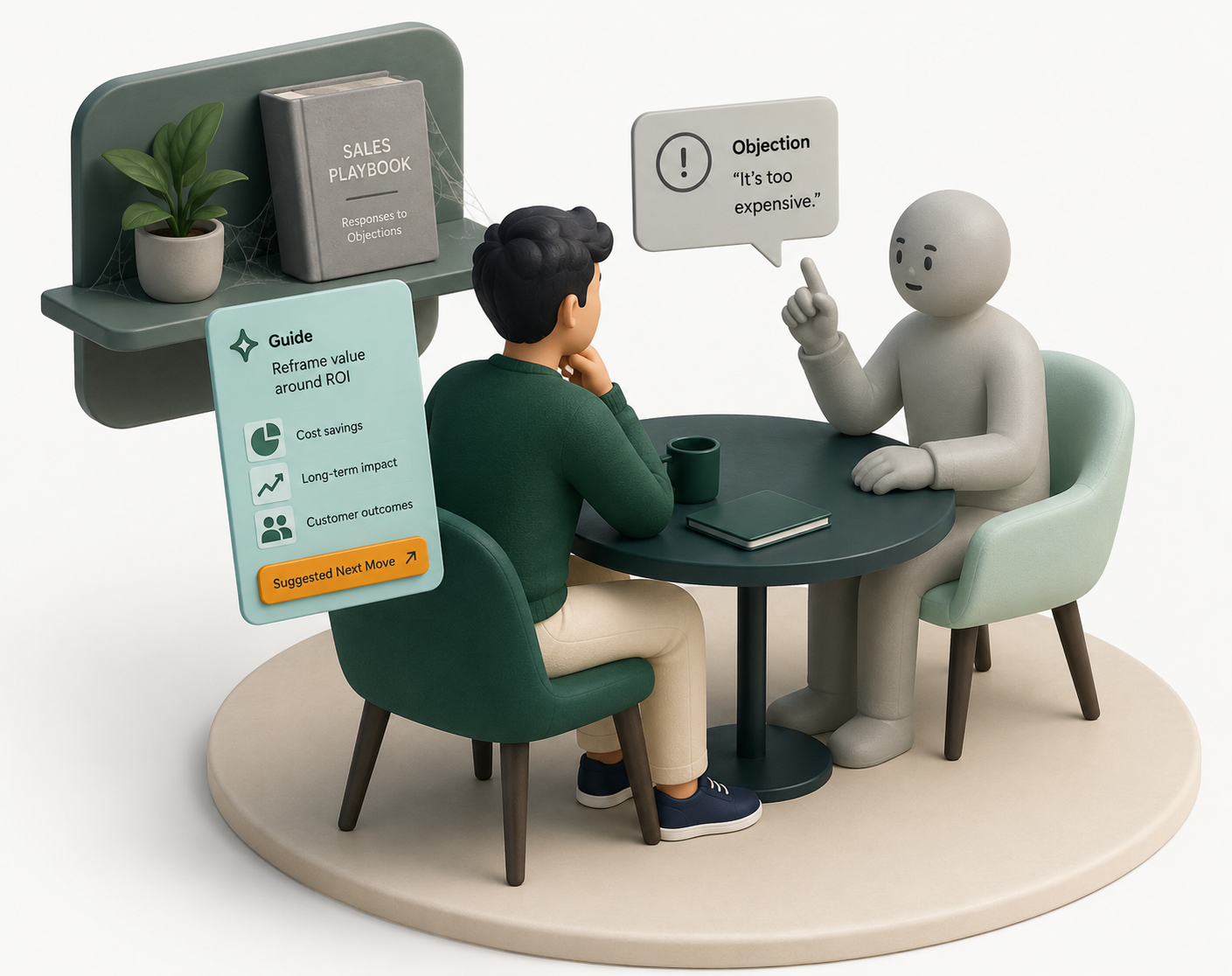
When a buyer raises a concern, address it before asking them to commit. Clarify the underlying issue, acknowledge it, and respond with relevant evidence or a practical solution. Once you have addressed the concern, check whether it is genuinely resolved rather than assuming that your answer was sufficient.
Example: "If we can demonstrate that the integration meets your security requirements, would there be anything else preventing the team from proceeding?"
9. The Economic-Value Close
The economic-value close reconnects the decision to the business outcomes that justified the evaluation in the first place. It is useful when buyers are comparing prices, questioning the investment, or struggling to secure an internal budget. Use credible figures and assumptions the buyer has agreed with, rather than promising returns you cannot substantiate.
Example: "Based on the time your team currently spends on manual reporting, can we review the expected savings against the proposed annual investment?"
10. The Cost-of-Inaction Close
This technique helps buyers evaluate what happens if they do not make a change. It is useful when a prospect sees the solution's value but does not consider the problem urgent enough to act on. Focus on consequences the buyer has identified, such as continued manual work, missed deadlines, or operational risk. Do not manufacture urgency.
Example: "If the current process stays in place for another two quarters, what impact would that have on the goals we've discussed?"
11. The Stakeholder-Alignment Close
B2B decisions often depend on people who were not present in the sales conversation. This close establishes who still needs to be involved, what they need to evaluate, and how the internal decision will happen. Use it when your champion is supportive but cannot approve the purchase alone.
Example: "Whose approval is still needed, and what information would help them assess the business case?"
12. The Trial or Pilot Close
A pilot lets the buyer validate the solution against agreed criteria before making a larger commitment. It is useful when implementation risk, adoption, or technical fit remains uncertain. Define the scope, success measures, duration, and decision date in advance so the pilot leads to a decision rather than becoming an open-ended evaluation.
Example: "Could we run a four-week pilot with your sales team, measure adoption and reporting time, and review the results together before deciding on a wider rollout?"
13. The Summary-Email Close
A written recap consolidates the business problem, agreed requirements, open questions, stakeholders, and next steps. It is particularly useful when several people influence the purchase or when the internal champion needs to explain the decision to colleagues who were not in the meetings.
Example: "I'll send a recap of the agreed requirements, the outstanding security questions, and the proposed timeline. Can we use that to confirm alignment with the wider team?"
14. The Decision-Process Close
This close clarifies how the buyer will make the final decision. It is valuable when the deal appears close but the approval process remains unclear. Confirm the decision criteria, evaluation stages, approvers, procurement steps, and any deadlines that genuinely affect the purchase.
Example: "Before we finalize the proposal, could you walk me through the remaining approval steps and who needs to sign off at each stage?"
A structured qualification framework such as MEDDPICC can help sales teams understand the economic buyer, decision criteria, decision process, and other factors that influence whether a deal can close.
15. The Takeaway Close
The takeaway close involves revisiting whether the proposed solution or scope is genuinely the right fit, rather than pushing the buyer toward a decision. It can be useful when the buyer is uncertain about the value or the proposed package is more than they need. Use it honestly, with a willingness to recommend a smaller scope or no purchase if that better serves the buyer.
Example: "Given the priorities you've outlined, the full package may be more than you need right now. Would it make sense to start with the core capabilities and expand later if the need is there?"
lso read: Best sales coaching software
How Kris Close Helps Reps Choose the Right Closing Approach
Knowing the techniques is only half the job. Reps also need to understand which approach fits the deal in front of them. Kris@Work, the all-in-one AI-native GTM platform, helps with this through Kris Close.
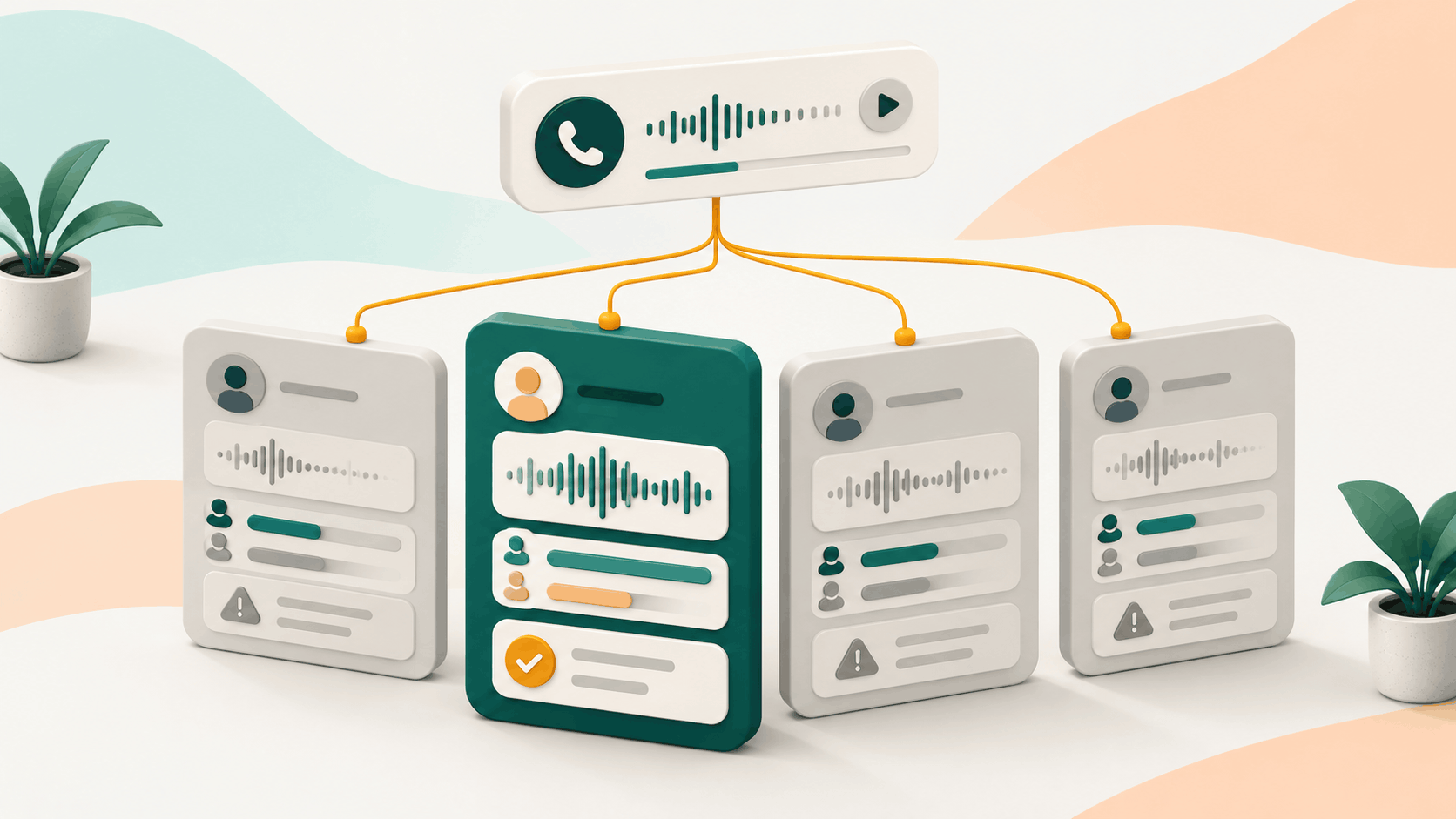
Deal Intelligence brings together stakeholder sentiment, buyer org charts, and deal evidence to help reps understand the buying committee. Next Best Moves recommends actions tailored to the deal, with the reasoning behind them, while Health & Projections provides explainable A+ to F deal grades and per-deal ARR projections.
Together, these capabilities help reps choose their next move based on buyer evidence rather than gut feel alone.
Also read: 7 ways to stop prioritizing leads by gut (and start using signals)
Conclusion
Effective B2B closing is about matching the approach to the buyer's readiness, resolving genuine blockers, and helping the entire buying committee reach a decision.
Use these techniques as tools, not scripts to follow blindly. With Kris Close, reps can draw on deal evidence and tailored next-move guidance to decide how best to advance each opportunity.